
McLAREN P1™
OVERVIEW
No ordinary car could inherit the McLaren F1's mantle. So, our engineers set themselves one of the toughest challenges in automotive history: to create a machine that could deliver a sub-seven-minute lap of the Nordschleife. In short, the best drivers' car in the world.
The result is a car with technology that has complexity comparable to that of an aircraft – a showcase for the passion and knowledge of the people who engineered it. The McLaren P1 is propelled by one of the most powerful hybrid powertrains ever fitted to a car: the IPAS electrical assistance system. This was developed to withstand the gruelling demands of sustained track use. Its design is so advanced that the McLaren P1 is widely considered to be part of the 'Holy Trinity' of hypercars.
FORM EQUALS FUNCTION
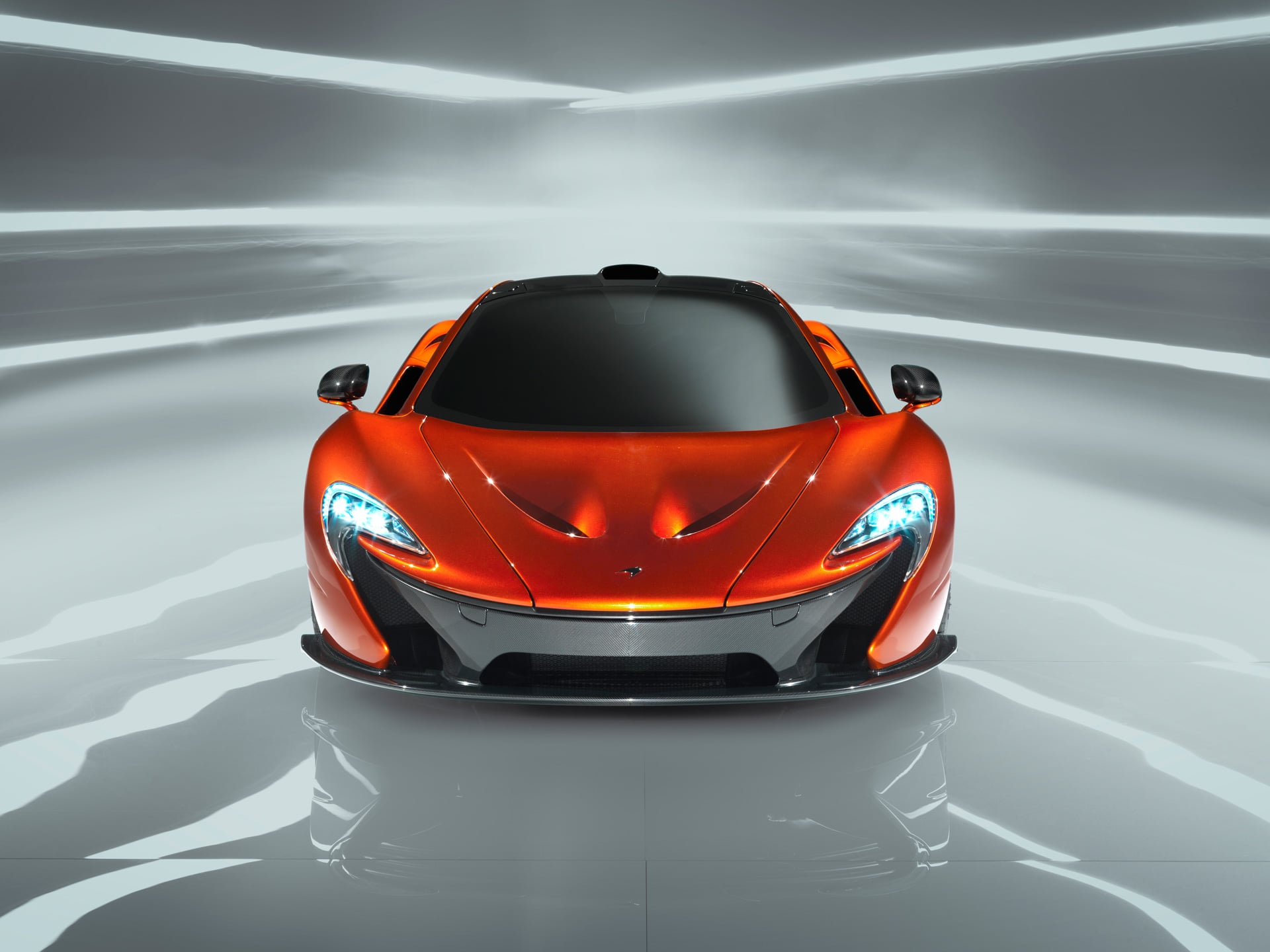
The McLaren P1's eye-catching bodywork is 'shrink-wrapped' as tightly as possible over the mechanical hard points of the car, with the cockpit sitting right in the centre. This approach reduces the frontal surface area and directs airflow over the car's exterior, into the engine's roof snorkel intake and across its active aerodynamic components.
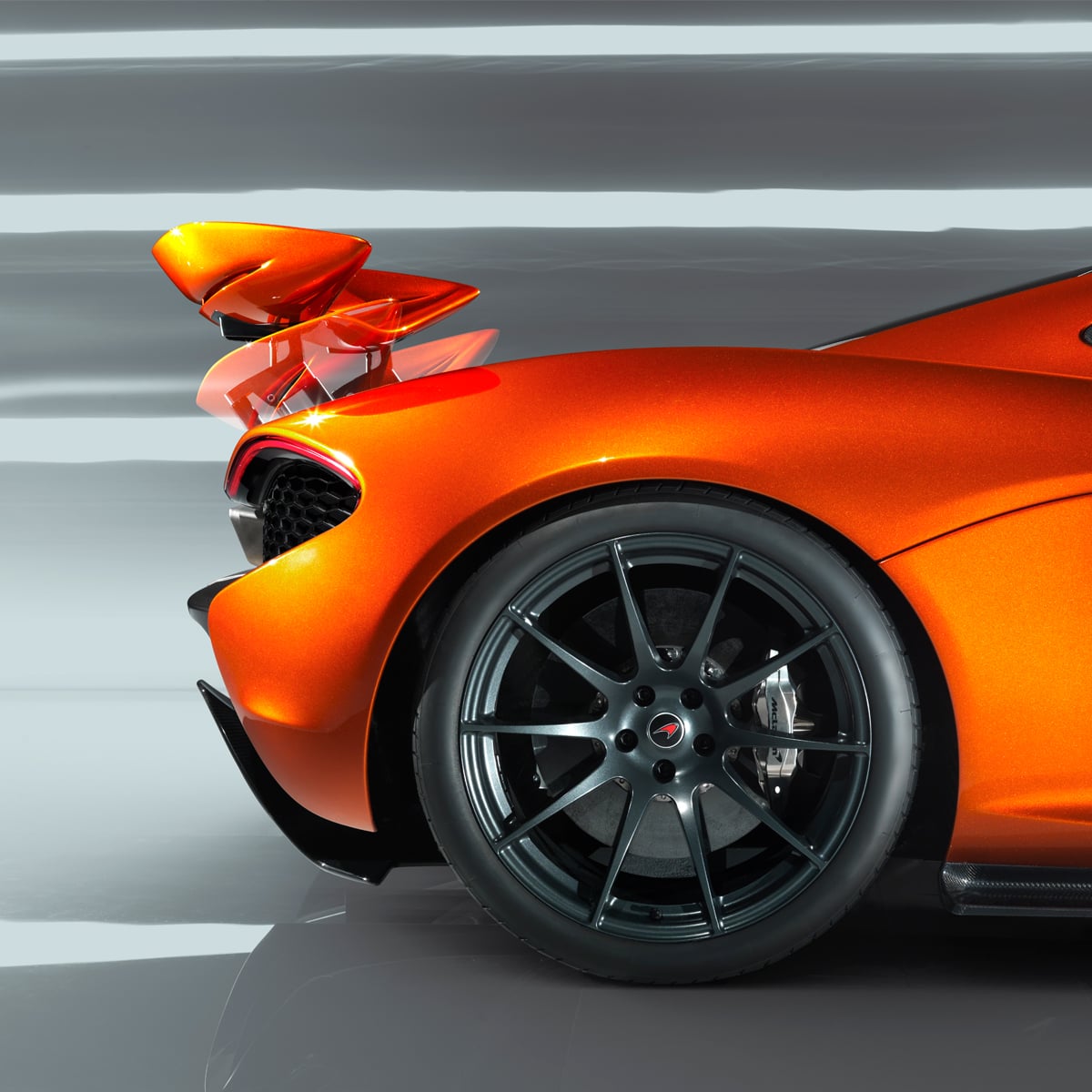
This active aerodynamic technology allows the McLaren P1 to maximise downforce and reduce drag. Its moveable front and rear wings produce a peak of 600 kg (1,323 lbs) of downforce, increasing both grip and driver confidence when travelling at speed.
FACTS & FIGURES

DISCOVER OUR RANGE
DIGITAL SHOWROOM

*Official fuel consumption figures in UK mpg (l/100km) for the P1™ (3,799cc petrol, 7-speed Seamless Shift dual clutch Gearbox (SSG)): combined 34.0 (8.3), urban: n/a, extra urban: n/a. Official combined CO2 emissions: 194g/km.
The efficiency figures quoted are derived from official NEDC test results, are provided for comparability purposes only, and might not reflect actual driving experience.