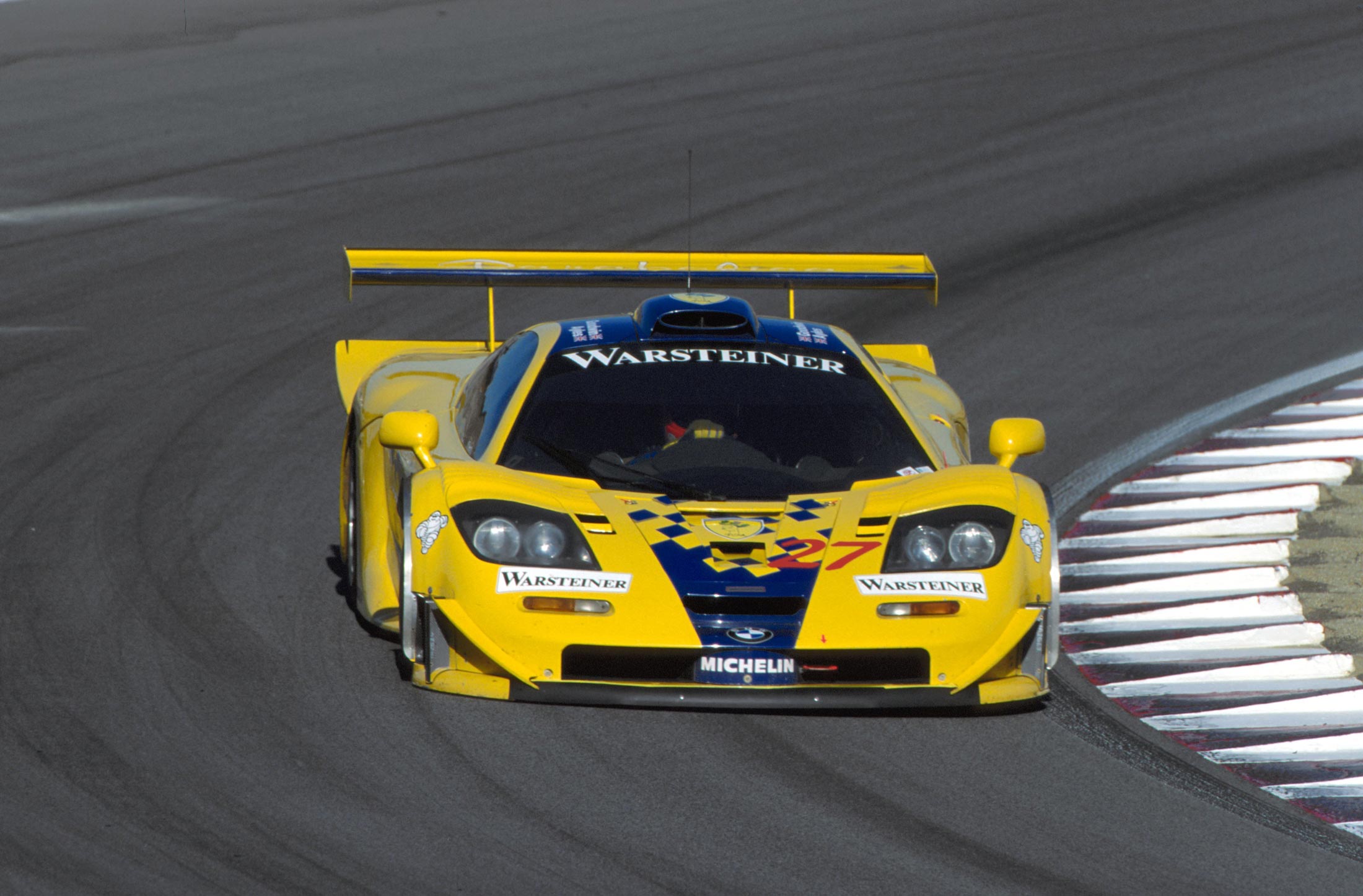
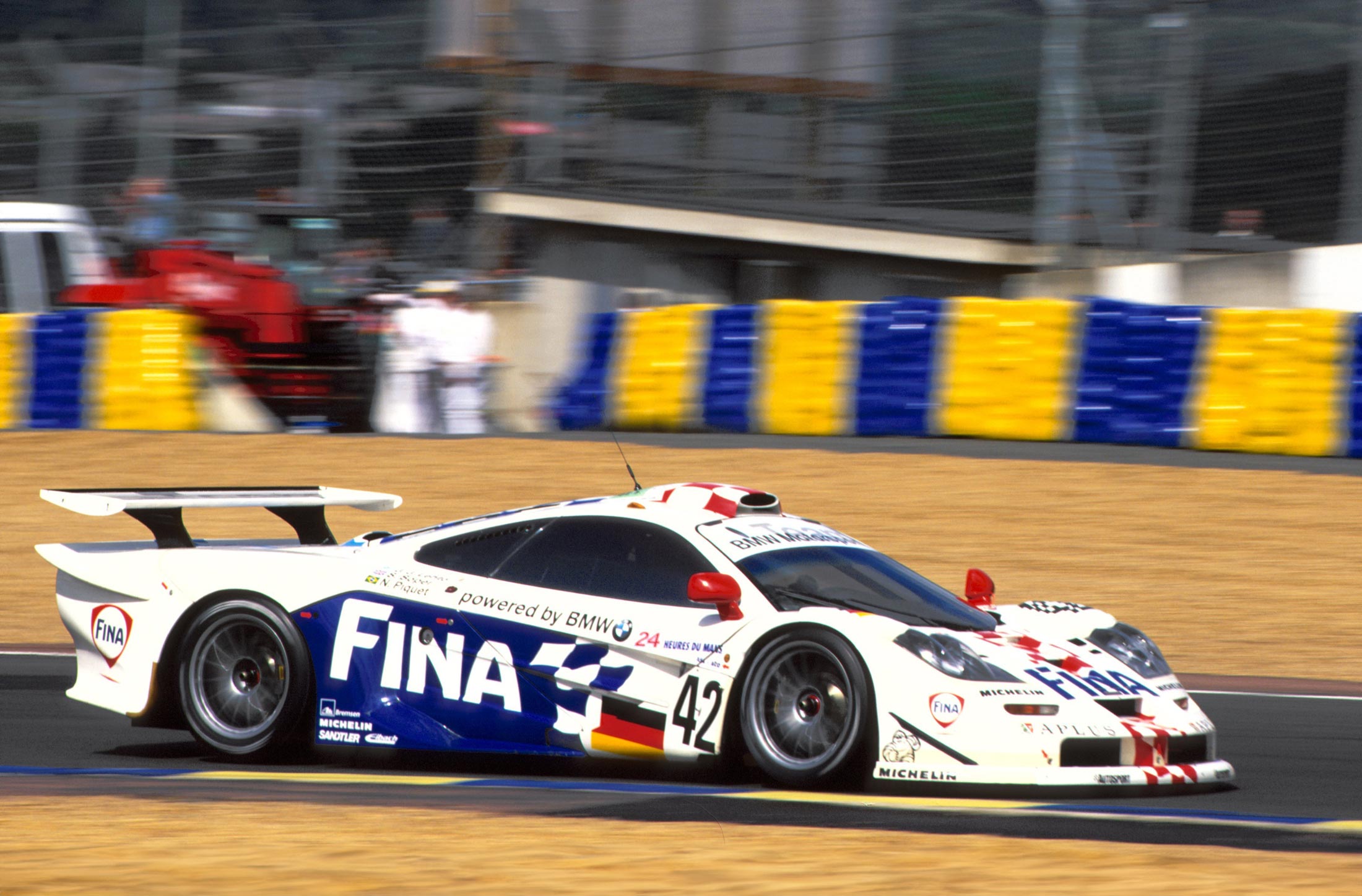
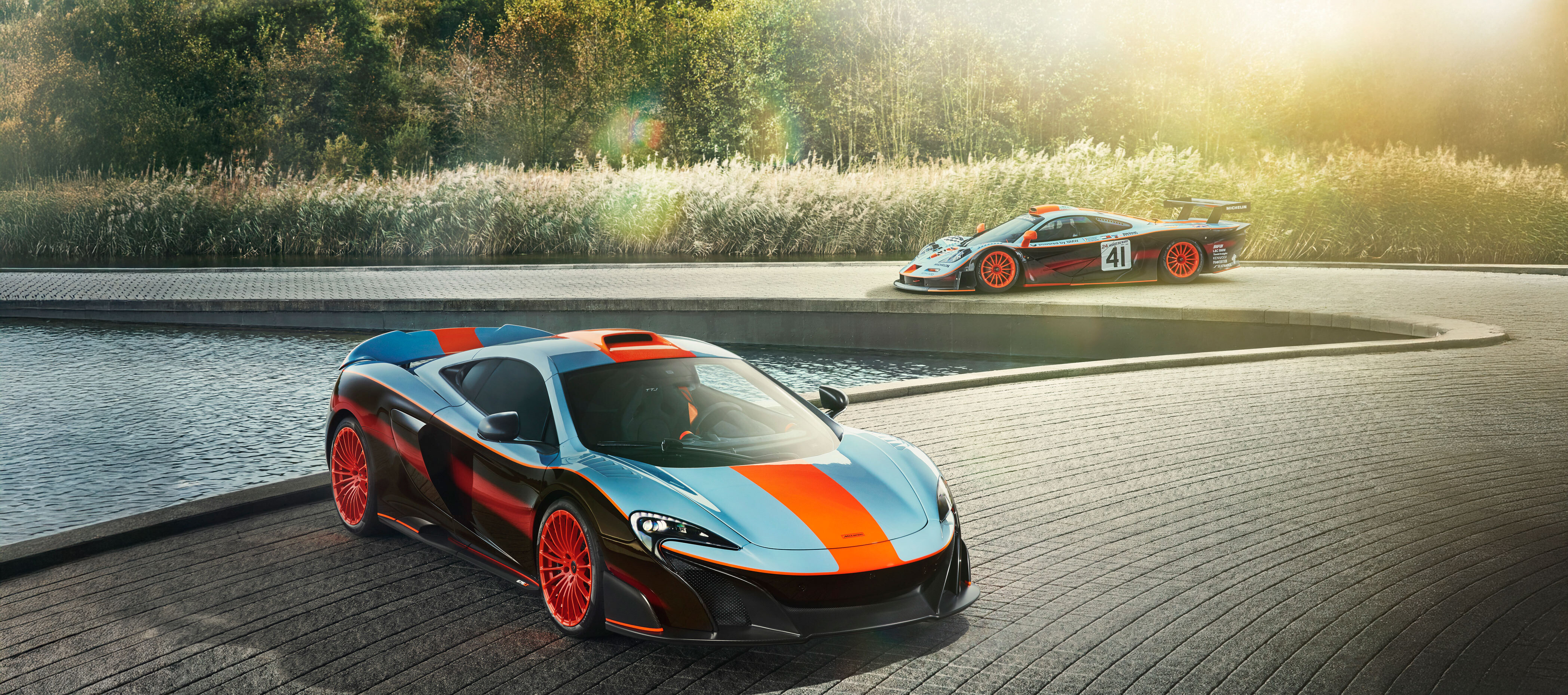
McLaren evolved the F1 GTR for 1996 in response, but bigger changes were needed for 1997. All-new bodywork was developed, including the longer rear spoiler, while the V12 was reduced to 6.0 litres and the road-car gearbox was replaced with a six-speed sequential unit. Ten Longtails were built, along with three road versions.
The new car was immediately fast. “We won first time out in British GT, and the car was just fantastic,’’ enthuses Goodwin. “I hadn’t driven the ’95 or ’96 cars back then but I have more recently, and the Longtail is a massive evolution. While you have to drive within the limit of the earlier GTRs and be more delicate, the Longtail encourages you to be more aggressive, so you can brake deeper and overdrive it immediately. Naturally, that leads to a faster lap time.”
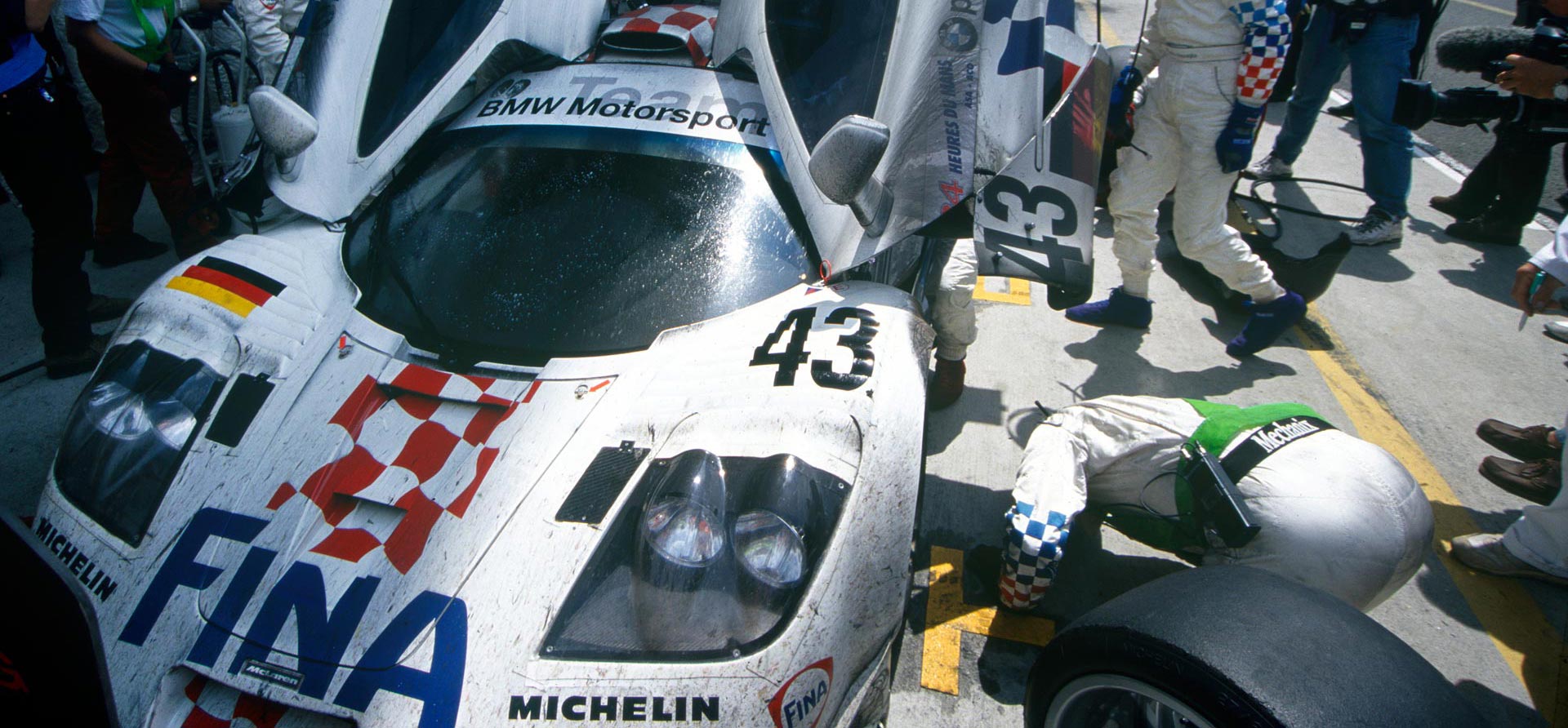
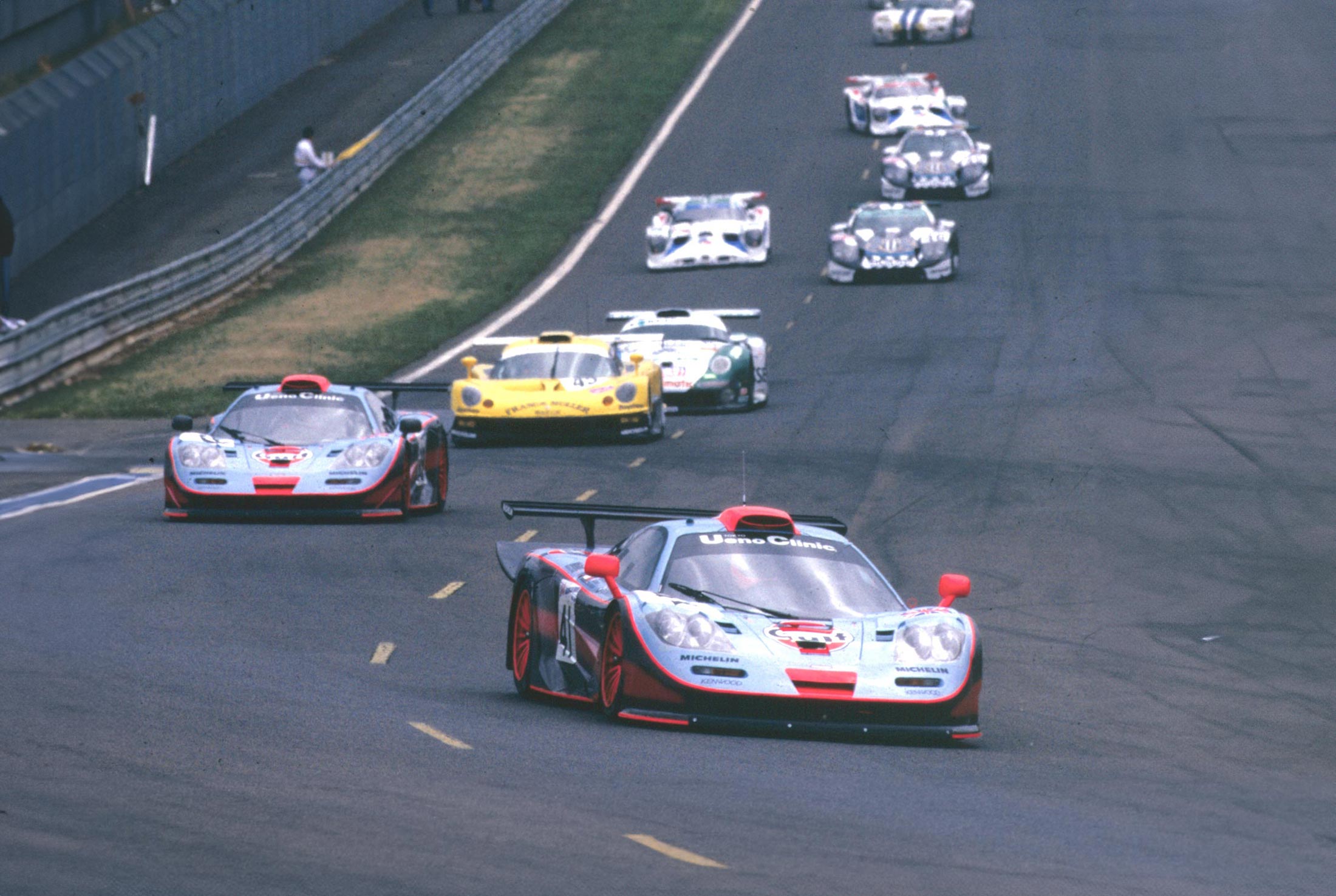
The Longtail went on to win five rounds of the FIA GT championship, but 1997 really built to a climax at Le Mans, where six F1 GTRs were entered. Goodwin and team-mates John Nielsen and Thomas Bscher showed winning pace until a pre-race fire scuppered their potential. When a second team car retired in the closing stages, it seemed fate was conspiring against McLaren that year. Thankfully, the third Gulf Team Davidoff car – Number 41 of Anders Olofsson, Pierre-Henri Raphanel and Jean-Marc Gounon – finished first in class and second overall. Another McLaren, entered by BMW Motorsport, came home third.
McLaren subsequently stopped developing the Longtail, while Goodwin went on to work as Chief Test Driver for McLaren’s road cars, helping to develop the 675LT.